


▌PRODUCT DESCRIPTION
>> NOT LITHIUM. NOT A COMPROMISE. THE NEXT EVOLUTION IN PORTABLE POWER. <<
Lithium had its run. It powered the revolution. But the future doesn’t belong to a single element, and the grid is shifting.
🔋 FIRST TO MARKET IN THE US.
Good luck finding these on a shelf anywhere else. Rabbit-Labs is one of the first retailers in the United States to stock and ship sodium-ion 18650 cells domestically. No 6-week wait from overseas. No mystery freight from a factory you’ve never heard of. Order today, build tomorrow. While the rest of the market is still talking about sodium-ion, we’re already shipping it.
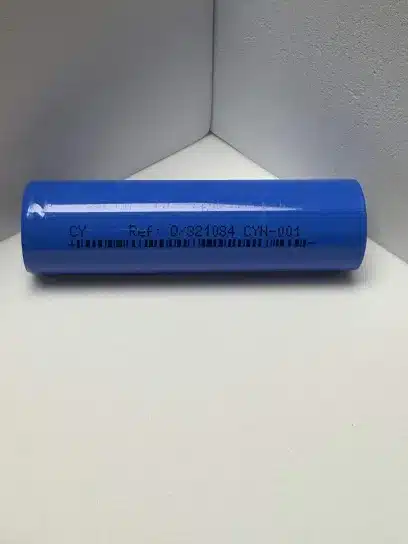
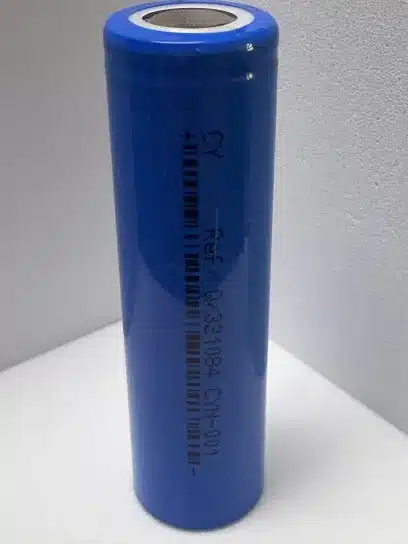
The Rabbit-Labs Sodium-Ion 3.0V 18650 Battery is a rechargeable sodium-ion cell built on next-generation Na-ion chemistry. Same 18650 form factor your devices and projects already use. Different element. Different rules. Different advantages.
Cell Specifications:
- Chemistry: Sodium-Ion (Na-ion)
- Cell Model: NaFR18 / 065CY-1.1 DC09
- Nominal Voltage: 3.0V
- Energy: 3.3Wh
- Form Factor: Standard 18650 (18mm x 65mm)
Why Sodium Why Not zoidberg Lithium? Because sodium is one of the most abundant elements on the planet. It’s cheap. It’s everywhere. And the batteries built from it are inherently more thermally stable than their lithium-ion counterparts. In nail penetration tests, sodium-ion cells show no thermal runaway. In overcharge tests, they remain stable well past the point where lithium cells start venting. The temperature rise rate during fault conditions is slower, fewer flammable gases are produced, and the risk of fire or explosion is significantly reduced compared to lithium-ion chemistry.
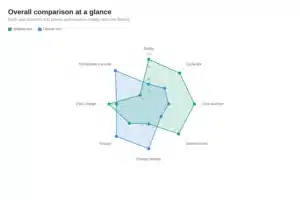
Cold weather performance is where sodium-ion really flexes. While lithium-ion cells slow down, lose capacity, and struggle in freezing conditions, Na-ion cells keep delivering power well below 0°C. If you’re building for outdoor deployment, cold-climate projects, or field equipment that needs to perform in harsh conditions, sodium-ion is the chemistry you want.
Long cycle life. Sodium-ion cells are engineered for thousands of charge/discharge cycles while maintaining usable capacity. These aren’t disposable power cells. They’re built to run, recharge, and run again for years of service.
Safe to ship. Safe to store. Unlike lithium-ion cells that must maintain a partial charge during transport and storage, sodium-ion cells can be safely discharged to 0V without damage. This makes them easier to ship, store long-term, and handle safely in bulk.
Whether you’re building DIY battery packs, powering embedded projects, prototyping IoT hardware, or stocking your bench with reliable rechargeable cells, the Rabbit-Labs Sodium-Ion 18650 delivers clean, stable power in a form factor you already know.
Same shape. Smarter chemistry. Welcome to the sodium era.
▌README.TXT – INSTRUCTIONS FOR USE
Before First Use: Sodium-ion cells may ship at a low or zero state of charge. This is normal and by design (sodium-ion cells can safely be stored at 0V without damage). Charge the cell fully before first use with a sodium-ion compatible charger.
Charging: Use ONLY a charger specifically designed for or compatible with sodium-ion battery chemistry. Follow the cell’s rated charge parameters:
- Charge using a constant-current / constant-voltage (CC/CV) profile matched to sodium-ion specifications.
- Do not exceed the manufacturer’s recommended charge voltage or current rating for this cell.
- Charge in a well-ventilated area, on a non-flammable surface, at an ambient temperature between 0°C and 45°C (32°F to 113°F).
Usage: Insert the cell into any device or holder designed for standard 18650 cells, ensuring correct polarity (positive terminal to positive contact, negative to negative). Verify that the host device is compatible with a 3.0V nominal cell. Many devices designed for lithium-ion 18650 cells expect 3.6V-3.7V nominal and may not function correctly at 3.0V.
Storage: Store in a cool, dry location away from direct sunlight and heat sources. Sodium-ion cells can be safely stored at any state of charge, including fully discharged, without degradation. For long-term storage, a cool environment (15°C-25°C / 59°F-77°F) is ideal.
▌DEBUG LOG – TROUBLESHOOTING
ISSUE: Device doesn’t power on or behaves erratically with the sodium-ion cell installed. FIX: Check the voltage requirements of your device. Many devices designed for lithium-ion 18650 cells require 3.6V-3.7V nominal (4.2V fully charged). This sodium-ion cell operates at 3.0V nominal, which is significantly lower. The device may not have enough voltage to operate. This is a compatibility limitation, not a defect. This cell is best suited for projects and devices that can operate within the 3.0V range, or in custom battery pack configurations where series wiring achieves the required total voltage.
ISSUE: Cell arrives with 0V or very low voltage. FIX: This is normal. Sodium-ion cells can be safely discharged to 0V for shipping and storage without damage. Charge the cell fully with a sodium-ion compatible charger before use. The cell is not dead or defective.
ISSUE: Cell won’t charge in my existing 18650 charger. FIX: Your charger is almost certainly designed for lithium-ion chemistry (4.2V charge cutoff, lithium charge profile). Sodium-ion cells require a different charge voltage and profile. Do not force the issue. Using a lithium-ion charger on a sodium-ion cell can result in overcharging, cell damage, or a safety hazard. You need a charger rated for sodium-ion chemistry, or a programmable/lab charger set to the correct Na-ion charge parameters for this cell.
ISSUE: Lower capacity / runtime compared to my lithium-ion 18650 cells. FIX: This is expected. Sodium-ion chemistry has a lower energy density than lithium-ion. The tradeoff is improved safety, better cold-weather performance, longer cycle life, and lower material cost. If your application demands maximum energy density above all else, lithium-ion may be a better fit for that specific use case. Sodium-ion excels where safety, longevity, and environmental resilience matter more than peak capacity.
ISSUE: Cell gets warm during charging. FIX: Mild warmth during charging is normal for rechargeable cells. If the cell becomes hot to the touch, stop charging immediately. Verify you are using a sodium-ion compatible charger with the correct charge parameters. Charging with an incorrect charger (especially a lithium-ion charger) can cause excessive heat and a potentially hazardous condition.
▌SYS.WARN – WARNINGS, HAZARDS & DISCLAIMERS
⚠️ CRITICAL: DO NOT CHARGE WITH A LITHIUM-ION CHARGER ⚠️
This is the single most important safety warning for this product.
Although this cell shares the standard 18650 form factor with lithium-ion batteries, it is NOT a lithium-ion cell and MUST NOT be charged using a lithium-ion battery charger. Lithium-ion chargers use a charge profile (typically 4.2V cutoff) that is incompatible with sodium-ion chemistry. Charging a sodium-ion cell with a lithium-ion charger can result in:
- Overcharging beyond safe voltage limits
- Cell swelling, venting, or rupture
- Heat generation and potential thermal event
- Permanent cell damage
- Risk of fire or chemical exposure
Use ONLY a charger designed for or programmed to sodium-ion battery specifications. If you are unsure whether your charger is compatible, do not use it. Contact the charger manufacturer or consult the charger’s documentation for supported battery chemistries before proceeding.
Rabbit-Labs LLC is not responsible for any damage, injury, or loss resulting from the use of an incompatible charger.
General Battery Safety
Sodium-Ion ≠ Lithium-Ion. While sodium-ion batteries are generally considered more thermally stable than lithium-ion batteries, they are not non-flammable. Sodium-ion cells still use organic electrolytes and can pose fire or chemical hazards under extreme abuse conditions (puncture, crush, extreme overcharge, exposure to open flame). Treat this cell with the same respect and caution you would give any rechargeable battery.
Do Not:
- Short-circuit the cell (do not allow the positive and negative terminals to contact each other or any conductive material simultaneously).
- Puncture, crush, deform, or mechanically damage the cell.
- Expose the cell to fire, open flame, or temperatures exceeding 60°C / 140°F.
- Submerge in water or expose to corrosive liquids.
- Disassemble, modify, or attempt to repair the cell.
- Solder directly to the cell terminals (use spot-welded nickel strip or appropriate battery holders).
- Mix sodium-ion cells with lithium-ion or other chemistry cells in the same device or battery pack.
- Use a cell that appears swollen, dented, leaking, or physically damaged in any way.
Proper Disposal: Do not dispose of in household trash or fire. Recycle in accordance with local battery recycling regulations. Sodium-ion cells contain chemical compounds that should be handled through proper e-waste channels.
Skin/Eye Contact: If cell contents leak and contact skin, flush immediately with water. If contact with eyes occurs, flush with clean water for at least 15 minutes and seek medical attention. If cell contents are ingested, seek medical attention immediately.
Intended Audience: This product is intended for experienced hobbyists, makers, engineers, and technical users who understand rechargeable battery safety, proper charging practices, and the differences between battery chemistries. This is a bare cell, not a consumer-packaged battery with built-in protection circuits. It is the user’s responsibility to ensure proper handling, charging, and integration.
Not a Toy. Keep out of reach of children. This product contains chemical compounds that are hazardous if the cell is opened, punctured, or damaged. Not intended for users under the age of 18.
Voltage Compatibility Notice. This cell operates at 3.0V nominal, which is lower than the 3.6V-3.7V nominal voltage of standard lithium-ion 18650 cells. Devices designed specifically for lithium-ion 18650 cells may not function correctly, may underperform, or may not power on at all when using this sodium-ion cell. It is the user’s responsibility to verify voltage compatibility before use. Rabbit-Labs LLC is not responsible for device incompatibility.
Disclaimer. This product is sold “as-is” for use by knowledgeable individuals. Rabbit-Labs LLC makes no warranty, express or implied, regarding fitness for a particular purpose. Rabbit-Labs LLC is not responsible for any damage to persons, property, or equipment resulting from misuse, improper charging, incompatible charger use, or failure to follow the safety guidelines outlined above. Maximum liability shall not exceed the purchase price of the product.
© Rabbit-Labs LLC. All rights reserved. The Rabbit-Labs name and logo are trademarks of Rabbit-Labs LLC.


